

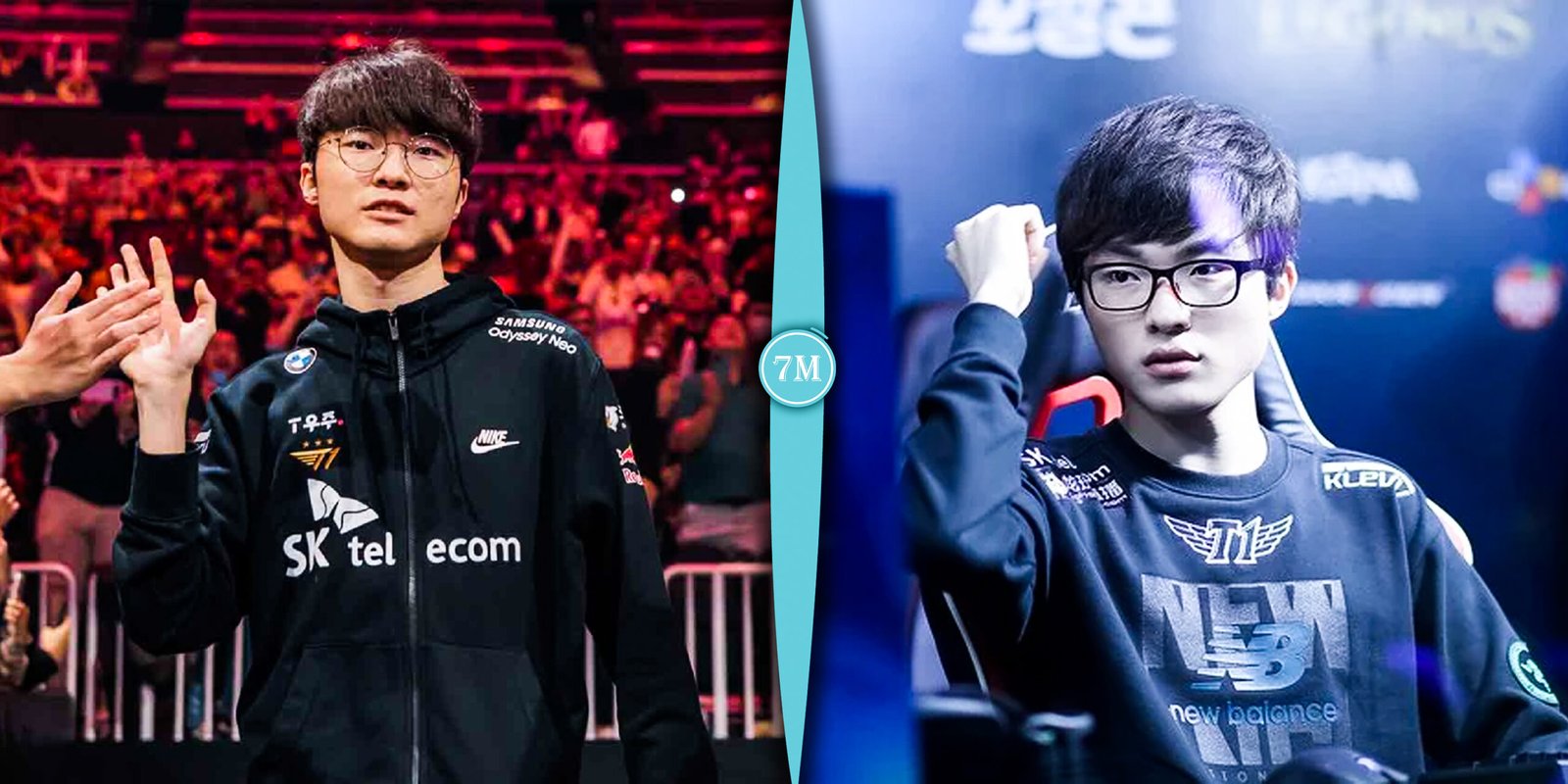
Searching for Faker’s net worth usually starts with curiosity about money, but it ends with a much bigger story about discipline, longevity, and a rare kind of consistency. Lee Sang-hyeok, known worldwide as Faker, did not become a legend by chasing attention. He became one by showing up every day, refining details, and staying calm while the spotlight kept growing. Over more than a decade at the top of professional League of Legends, he turned competitive gaming into a lasting career and built wealth without turning his life into a spectacle. This article explores his journey, his earnings, and the personal details that help explain why his name still carries weight long after most careers would have faded.
Quick Bio
| Name | Lee Sang-hyeok |
|---|---|
| Known As | Faker |
| Date of Birth | May 7, 1996 |
| Age | 29 (as of 2026) |
| Nationality | South Korean |
| Height | Around 176 cm (5’9″) |
| Profession | Professional Esports Player |
| Game | League of Legends |
| Role | Mid Laner |
| Team | T1 |
| Net Worth | Around $10 Million |
| Active Years | 2013 – Present |
Who Faker Is
Faker was born on May 7, 1996, in Seoul, South Korea, which makes him 29 years old in 2026. His real name is Lee Sang-hyeok, and he has spent his entire professional career as a mid laner for the same organization, T1. In esports, where players move often and careers can be short, that kind of continuity is unusual. It has also shaped how fans see him: not as a temporary star, but as the center of an era. His nickname, often translated as “The Unkillable Demon King,” came from the way he seemed impossible to stop at his peak, but his reputation today is just as much about reliability as it is about raw skill.
Early Life and First Steps
Before the trophies and the packed arenas, Faker’s life looked quiet. He grew up in Seoul with his father and grandparents, and he also has a younger brother. People who followed his early story often describe him as reserved and focused, someone who enjoyed solving problems and learning things deeply rather than seeking attention. When he discovered League of Legends, that mindset fit perfectly. He learned the game quickly, climbed the competitive ladder faster than most, and caught the eye of professional teams while he was still very young. The decision to pursue esports full-time was not framed as a gamble. It was more like a careful commitment to something he already knew he could do at an elite level.
Physical Appearance and Presence
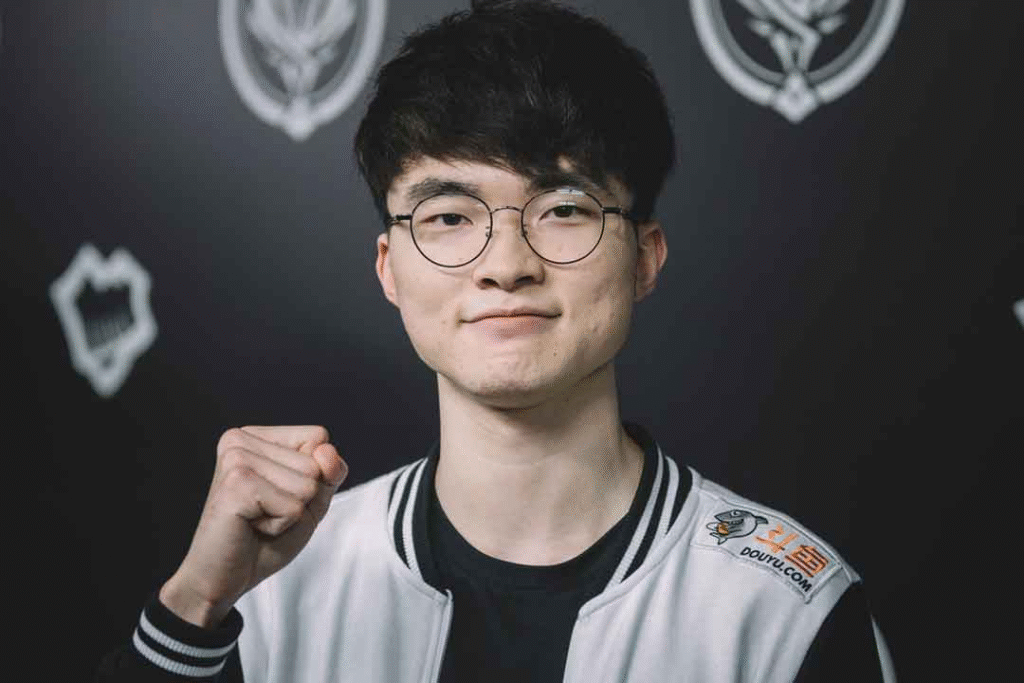
Faker’s appearance has never been a central part of his public image, but fans often ask about it anyway. He is commonly reported to be around 176 centimeters tall, which is roughly 5 feet 9 inches. He has a slim build, a calm posture, and a style that stays simple and practical. On stage and in public appearances, he usually wears team gear or understated clothing, and that choice matches his personality. The focus is almost always on the game, not on creating a flashy persona. That quiet presence is part of why his confidence feels different. It is not loud, and it does not need to be.
The Breakthrough Year
Faker’s professional debut did not come with a long adjustment period. When he entered top-level competition in 2013, he immediately changed how people talked about the mid lane role. His mechanics were sharp, but what stood out more was his decision-making. He seemed to know when to be aggressive and when to wait, and he rarely looked rushed. That balance helped his team win quickly and often, and it also turned him into a player other professionals studied rather than just competed against. From that point on, his career stopped being about potential and started being about maintaining a standard that very few people could match.
A Career Built on Consistency
Many players have brilliant seasons. Very few have brilliant decades. Faker’s career is defined by staying relevant through constant change. The game itself has evolved, teams have reshaped their strategies, and entire generations of players have come and gone, yet he has remained competitive through it all. Championships and titles became part of his story, but the more impressive detail is how rarely he looked out of place. Even in seasons when his team struggled, he was still treated as a benchmark for what elite play should look like. That kind of respect does not come from one highlight. It comes from years of dependable excellence.
Work Ethic and Mental Approach
One of the least dramatic but most important parts of Faker’s success is his routine. He is known for being disciplined, for practicing with intention, and for keeping his emotions under control even in high-pressure moments. Instead of chasing trends or public praise, he has always focused on preparation and improvement. This approach also explains his longevity. Esports is demanding, both mentally and physically, and burnout is common. Faker’s ability to treat the game like a long-term craft rather than a short-term spotlight has helped him avoid that trap and keep performing at a high level.
Understanding Faker Net Worth
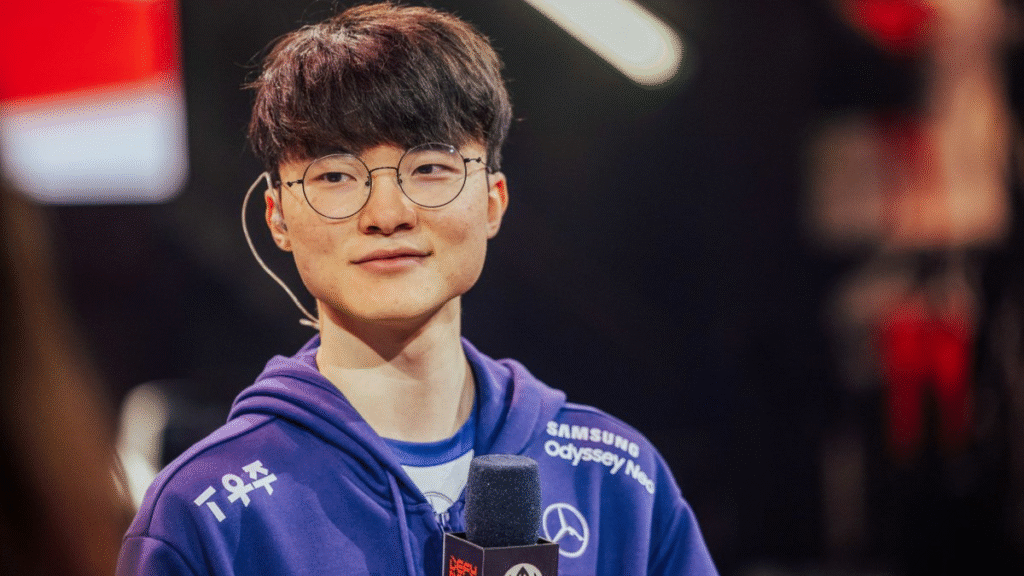
When people talk about Faker’s net worth, the most common estimate places it around ten million dollars, with the understanding that the real number could be higher depending on how assets and long-term holdings are valued. This figure does not come from one big payday. It is the result of steady, high-level earnings over many years, combined with smart positioning inside the industry. In esports, prize money often gets the most attention, but for someone like Faker, salary, ownership, and brand value play a much larger role in building lasting wealth.
Salary and Long-Term Value
Faker’s salary has been reported at a level that puts him among the highest-paid players in esports. What matters more than the exact number is what it represents. Teams do not pay that kind of money for short-term hype. They pay it for stability, leadership, and a proven ability to perform under pressure. Over time, this steady income has formed the backbone of his financial success. It also reflects how central he is to his organization’s identity. In many ways, his presence defines the team as much as any logo or brand campaign ever could.
Prize Money in Context
Over the course of his career, Faker’s tournament winnings have added up to nearly two million dollars. That is an impressive figure, but it is not the main reason his net worth is so high. In modern esports, prize pools are important, yet they rarely match the combined value of salaries and sponsorship-related income for top players. For Faker, prize money is better understood as a symbol of competitive success rather than the core of his financial story. The real financial strength comes from consistency and positioning rather than from single events.
Ownership and Business Sense
One of the most significant moments in Faker’s career happened away from the stage. Instead of leaving for another team when he had the chance, he chose to deepen his relationship with his organization and become a part-owner. That move changed his role from just a player to a long-term partner in the brand. Ownership means his financial future is not tied only to how long he can compete. It also means he shares in the broader success of the organization. This decision shows a level of foresight that is still rare in esports and helps explain why his wealth is built for the long run.
Real Estate and Long-Term Assets
Faker’s investments are not limited to the game itself. One of the most talked-about examples is a building in Seoul that fans often refer to as “Faker Tower.” Beyond the nickname, the important point is that real estate represents a different kind of stability. While competitive careers eventually end, property and other long-term assets can continue to generate value. This part of his financial story shows that his approach to money is as careful and structured as his approach to competition.
Lifestyle and Daily Choices
Despite his success, Faker is often described as living a modest and focused lifestyle. He does not build his public image around luxury or excess. Instead, his routine centers on training, recovery, and maintaining a clear head. This does not mean he never enjoys the benefits of his success, but it does mean he treats comfort as a support for performance rather than as a goal in itself. That attitude has helped him avoid many of the distractions that shorten careers and complicate lives in the public eye.
Family and Personal Boundaries
Faker’s family life has always stayed mostly private. It is known that he was raised with his father and grandparents and that he has a younger brother, but beyond that he rarely shares personal details. This boundary is intentional. By keeping his private life separate from his public role, he protects his focus and his peace of mind. In an industry where constant exposure is common, that choice has helped him stay grounded and consistent.
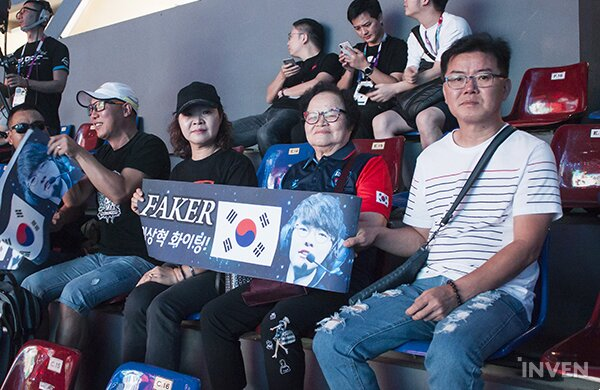
Public Image and Social Media
Faker maintains an active presence on major social platforms, but his tone remains professional and reserved. His posts usually focus on matches, team activities, and moments from his career rather than on personal drama. This approach reinforces his image as someone who treats esports as a profession, not just a stage. Millions of fans follow him across platforms, yet his communication style stays simple and direct, which matches the rest of his public persona.
Fun Facts and Small Details
There are a few details about Faker that fans often find interesting because they highlight his personality. He is known for staying unusually calm in high-pressure situations, even when matches are on the line. He has also become famous for turning down tempting opportunities in the past in favor of long-term stability and loyalty. Small moments like these help explain why his story feels different from the typical rise-and-fall narrative. They show a person who consistently chooses patience over impulse.
Challenges and Comebacks
No long career is free of setbacks, and Faker’s journey includes periods of criticism, tough losses, and seasons where expectations were not fully met. What sets him apart is how he responds. Instead of chasing quick fixes, he tends to return with adjustments and a clearer sense of direction. This pattern has repeated itself more than once, and each time it has reinforced his reputation as someone who can adapt without losing his core strengths.
Influence on Esports Culture
Faker’s impact goes beyond statistics and trophies. He helped shape how people think about professionalism in esports. His career showed that competitive gaming can support long-term planning, stable income, and thoughtful growth. Younger players often look at his path as proof that it is possible to build something lasting in a field that once seemed temporary. In that sense, his influence is as cultural as it is competitive.
The Meaning of His Net Worth
It is easy to reduce success to a number, but Faker’s net worth is better understood as a reflection of choices. It reflects years of steady performance, careful planning, and a refusal to chase short-term attention at the cost of long-term stability. Money is part of the story, but it is not the center of it. The real achievement is how he turned talent into a career that still feels relevant after more than a decade.
Conclusion
Faker’s story is not just about being the best at a game. It is about building a life and a career with intention. At 29 years old, with a net worth estimated around ten million dollars, he stands as proof that esports can reward patience, discipline, and smart decisions as much as it rewards raw skill. His height, his quiet style, his careful boundaries, and his long-term investments all point to the same idea: success is something you build piece by piece, not something you chase in a single moment. Long after the final match is played, that mindset will remain his most valuable asset.
READ MORE: The Life and Work of Jenn Nawada, Landscape Designer and TV Expert
FAQs
How old is Faker?
Faker was born on May 7, 1996, which makes him 29 years old in 2026. His age often surprises people because he has already spent more than a decade at the top level of professional play.
How tall is Faker?
Faker is commonly reported to be around 176 centimeters tall, or about 5 feet 9 inches. While height is not central in esports, fans often ask out of curiosity.
What is Faker’s net worth?
Faker’s net worth is generally estimated at around ten million dollars. The exact figure can vary depending on how long-term assets and investments are valued.
Does Faker still play professionally?
Yes, Faker has continued to compete at the highest level with T1, showing that long careers are possible in esports with the right mindset and preparation.
Is Faker involved in business outside playing?
Faker is not only a player but also a long-term partner in his organization, which means his role extends beyond competition and into the business side of esports