

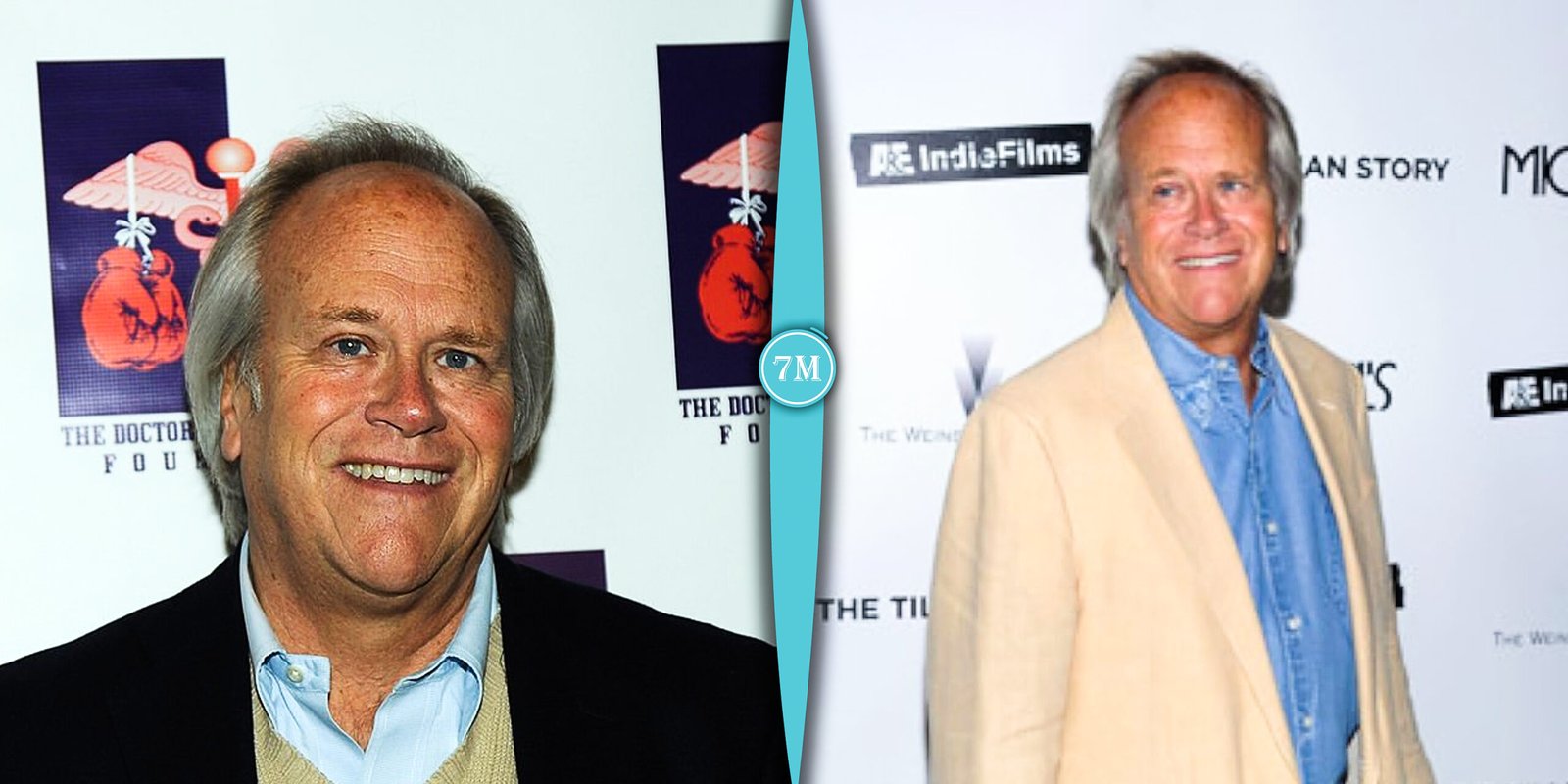
Dick Ebersol is one of the most influential figures in American television, a name closely tied to the way sports and major live events are presented to millions of viewers. His career stretches across decades and connects two worlds that rarely meet at such a high level: entertainment and sports. From helping launch a cultural institution in late-night comedy to building some of the most valuable sports broadcasts in history, Ebersol’s work reshaped what audiences expect from television. His story is not only about ratings and contracts, but also about risk, leadership, loss, and the long-term impact of creative decisions made behind the camera.
Quick Bio
| Detail | Information |
|---|---|
| Full Name | Duncan Richard Ebersol |
| Known As | Dick Ebersol |
| Date of Birth | July 28, 1947 |
| Age (2026) | 78 years |
| Birthplace | Torrington, Connecticut, USA |
| Nationality | American |
| Profession | Television Executive and Producer |
| Height | Not publicly documented |
| Net Worth | Estimated $50–60 million |
| Spouse | Susan Saint James |
| Children | Three sons (including Charlie Ebersol) |
| Known For | NBC Sports, Olympics, Sunday Night Football, Saturday Night Live |
Early Life and Background
Duncan Richard Ebersol, widely known as Dick Ebersol, was born on July 28, 1947, in Torrington, Connecticut. He grew up in a family environment that valued responsibility and public service, which helped shape his steady and disciplined approach to work later in life. From an early age, he showed interest in how media worked rather than simply consuming it. This curiosity pushed him toward television production, a field that at the time was still evolving and full of opportunity for people willing to take chances and learn quickly.
His early education included time at Yale University, where he developed a deeper interest in communication and media. Although his path through school was not strictly traditional, the experience helped him understand the larger world he wanted to enter. More importantly, it gave him confidence to pursue a career in an industry where practical experience often matters as much as formal study.
First Steps in Television
Ebersol’s professional journey began at ABC Sports, a place known for ambitious and creative sports coverage. Working behind the scenes, he learned the demanding rhythm of live television and the importance of preparation, timing, and clear storytelling. These early years were not glamorous, but they were essential. He gained a strong understanding of how large productions are organized and how many small decisions shape what viewers eventually see on their screens.
During this period, he developed a belief that sports broadcasts should be more than simple recordings of games. He saw them as stories in motion, filled with emotion, pressure, and human drama. This idea would later become a central part of his work and one of the reasons his productions stood out from many others.
Saturday Night Live and a Turning Point
In the mid-1970s, Ebersol became involved in the creation of Saturday Night Live, a show that would grow into one of the most important programs in American television history. The project was risky and unproven, but it also offered a chance to do something entirely new. Ebersol played a key role in helping bring the show to life and keeping it moving forward during its early, uncertain days.
The success of Saturday Night Live proved that he had a strong sense for what audiences might embrace, even when the idea seemed unconventional. It also showed that he was comfortable working in both entertainment and production management, a combination that would later define his career. This experience expanded his reputation beyond sports and marked him as a creative executive who understood the broader landscape of television.
The Rise at NBC
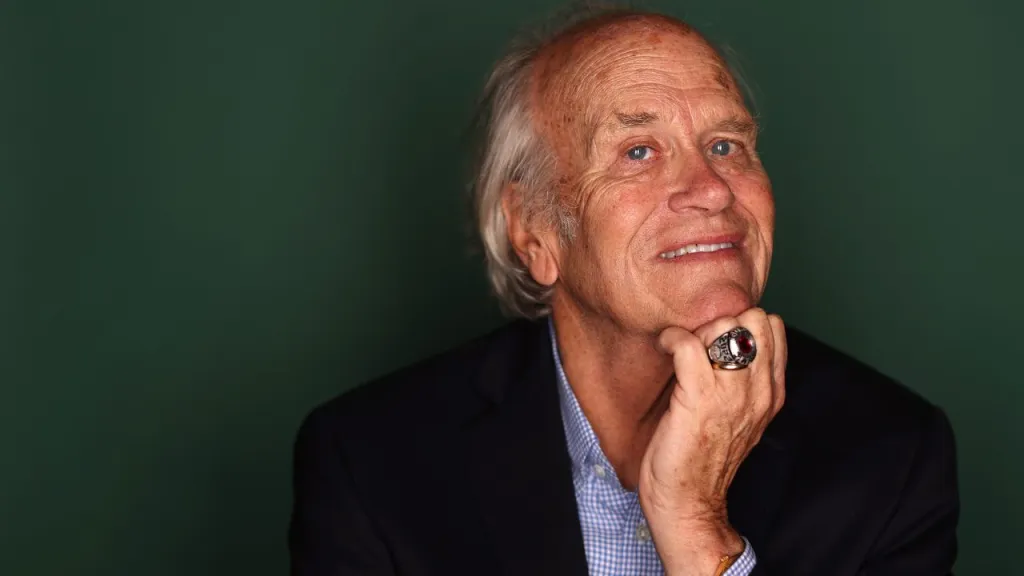
Ebersol’s most influential years came during his time at NBC, where he eventually became the leader of the network’s sports division. In this role, he was responsible for shaping the strategy behind some of the biggest and most complex broadcasts in the world. He focused on long-term planning, believing that major sports properties should be treated as central pillars of the network rather than short-term projects.
One of his major achievements was helping to build Sunday Night Football into a weekly television event. The broadcast was designed not only to show a game, but to create an atmosphere that felt important and shared. High production values, strong commentary, and careful presentation turned it into one of the most watched programs on American television, season after season.
Changing the Way Sports Are Shown
Before Ebersol’s era, many sports broadcasts were direct and functional, focused mainly on showing what happened on the field. Under his leadership, the approach became more cinematic and story-driven. Greater attention was given to athlete backgrounds, rivalries, and the emotional weight of competition. The goal was to help viewers feel connected to the people and moments, not just the final score.
This shift influenced the entire industry. Production styles, graphics, and storytelling techniques that are now common became standard during the years when Ebersol’s vision guided major broadcasts. His work helped prove that sports television could combine information and entertainment without losing credibility or excitement.
The Olympic Era
Ebersol’s name is especially linked to the Olympic Games, which became a cornerstone of NBC’s programming strategy. Securing long-term rights to the Games required confidence and careful planning, but it also opened the door to building a consistent and recognizable style of coverage. The broadcasts focused on personal stories, national pride, and moments of triumph and disappointment, turning the Olympics into a prime-time television tradition for American audiences.
This approach changed how the Games were experienced at home. Instead of being just a collection of events, the Olympics became a series of connected stories that unfolded over weeks. The scale of these productions and their wide reach made them some of the most significant television events of each decade.
Personal Tragedy and Resilience
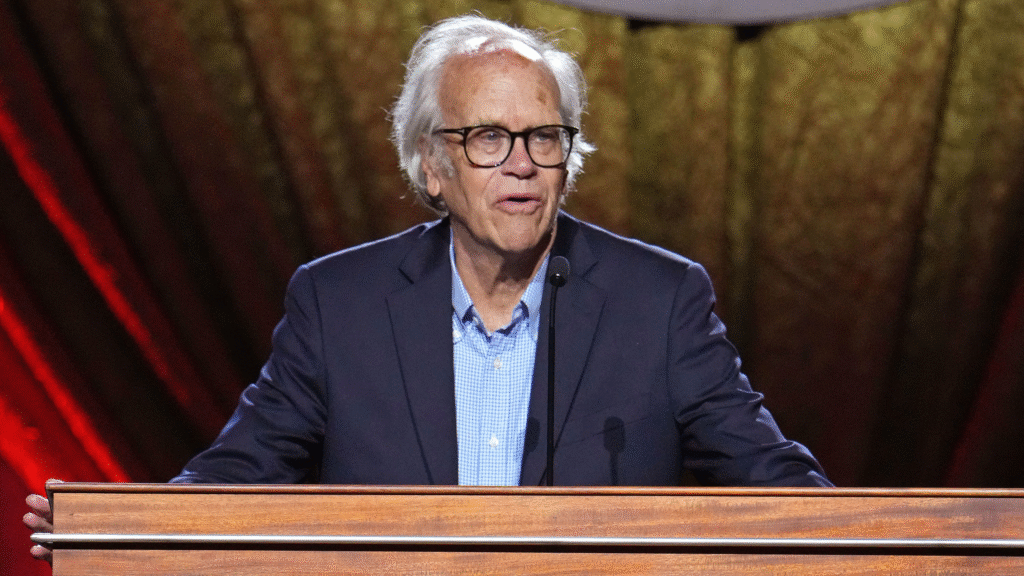
Behind the professional success, Ebersol’s life has also included deep personal hardship. In 2004, a plane crash took the life of his son, Edward, known to the family as Teddy. The loss was devastating and marked one of the most painful chapters of his life. Despite this tragedy, he continued his work with a quieter determination, showing the strength and resilience that many colleagues have spoken about over the years.
This experience added a more private and reflective side to a man often known for high-pressure decisions and large-scale projects. It also reminded those around him that even the most powerful figures in media are still shaped by deeply human experiences.
Family Life
Ebersol has been married to actress Susan Saint James since 1981, and together they built a blended family that includes children from her previous marriage as well as their own sons. Their family life has largely stayed out of the spotlight, reflecting Ebersol’s preference for privacy away from work.
One of their sons, Charlie Ebersol, followed a path into media and production, continuing the family connection to television. Family has remained an important part of Ebersol’s life, even during the busiest years of his career.
Age and Physical Appearance
Born in 1947, Dick Ebersol is 78 years old as of 2026. He has always presented himself in a calm and professional manner, fitting the image of a senior television executive rather than a public celebrity. Details such as his exact height are not widely documented, which aligns with his long-standing role behind the scenes rather than in front of the camera. His presence has been defined more by authority and experience than by any carefully managed public image.
Net Worth and Career Success
After decades at the top levels of television, Ebersol’s estimated net worth is often placed in the range of fifty to sixty million dollars. This reflects years of executive leadership, long-term contracts, and involvement in some of the most valuable properties in broadcasting. More than the number itself, his financial success represents a career built on influence, consistency, and the ability to manage projects that reach millions of people at once.
Lifestyle and Public Presence
Despite his status, Ebersol has never sought the spotlight in the way many public figures do. He is known for a focused and relatively private lifestyle, centered more on work and family than on public attention. He does not maintain a widely known presence on major social media platforms, which fits his long-standing preference for working behind the scenes and letting the productions speak for themselves.
Awards and Recognition
Over the years, Ebersol has received numerous honors for his contributions to broadcasting and sports media. These recognitions reflect not only the success of individual projects, but also the broader influence he has had on how television is produced and presented. His work with major international events and long-running programs has placed him among the most respected executives in the history of American broadcasting.

Influence on the Next Generation
Many producers and executives working today developed their skills in environments shaped by Ebersol’s ideas and standards. His emphasis on storytelling, production quality, and long-term vision continues to influence how major events are covered. Through both direct mentorship and the lasting impact of his work, his approach remains part of the foundation of modern sports television.
Legacy
Dick Ebersol’s legacy is not tied to a single show or network. It lives in the way sports and live events are presented as shared experiences, in the expectation that broadcasts should inform, entertain, and connect with audiences on a deeper level. His career demonstrates how leadership and creative vision can change an entire industry over time.
Conclusion
From the early days of his career to his leadership of some of the largest broadcasts in the world, Dick Ebersol has played a central role in shaping modern television. At 78 years old, his influence can still be seen in the structure, style, and ambition of today’s sports and event coverage. His story is one of long-term impact, careful risk-taking, and a lasting commitment to the power of television to bring people together.
READ MORE: Faker Net Worth and Career: The Story Behind His Success
FAQs
How old is Dick Ebersol?
Dick Ebersol was born on July 28, 1947, which makes him 78 years old as of 2026. His long career reflects several decades of leadership in American television.
What is Dick Ebersol best known for?
He is best known for leading NBC Sports and shaping major broadcasts such as the Olympic Games and Sunday Night Football, as well as helping launch Saturday Night Live earlier in his career.
What is Dick Ebersol’s net worth?
His net worth is widely estimated to be in the range of fifty to sixty million dollars, built through executive roles, long-term contracts, and major production leadership.
Is Dick Ebersol active on social media?
He does not maintain widely known public social media accounts and has generally preferred a private, behind-the-scenes presence.
Who is Dick Ebersol married to?
He has been married to actress Susan Saint James since 1981, and together they have built a blended family that has largely stayed out of the public spotlight.